

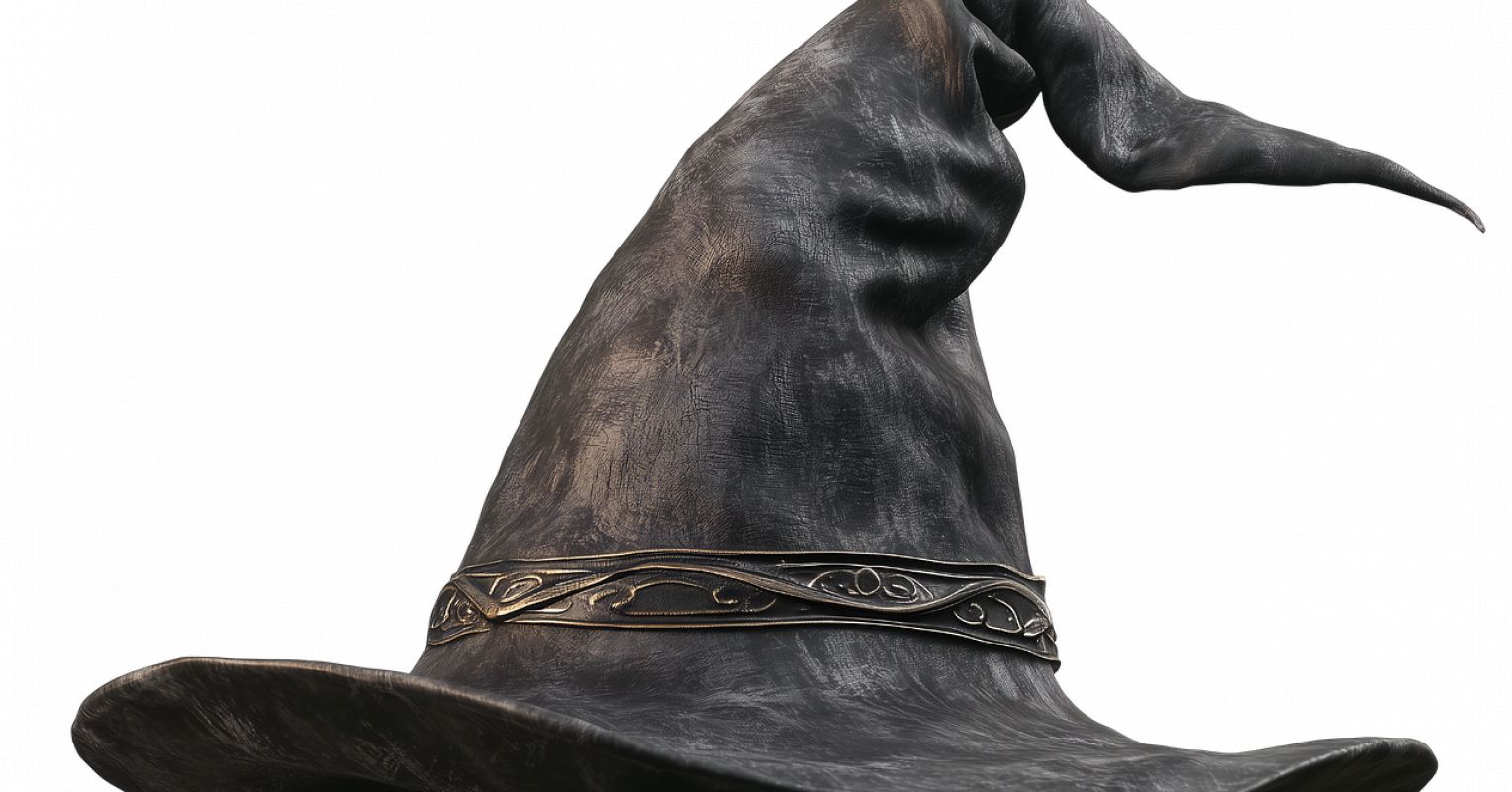
If you’ve seen the second installment of “Wicked,” called “Wicked for Good,” you may be thinking now about how hard it can be to separate the “wicked” from the “good.” This duality that feeds the narrative of this movie doesn’t stop at the title but carries throughout the entire plot. No spoilers here, in case you haven’t seen it yet, but suffice it to say that it’s not always clear who’s the “good” witch and who’s the “wicked” one.
The struggle between forces of good and evil occupies not only fiction but also much of psychology. Lack of a clear differentiation is what makes this duality so fascinating. When you’re a child, the world is composed mostly of right vs. wrong, but as you develop into adulthood, you realize for yourself that there are plenty of gray areas.
The Utilitarian Dilemma
One of the murkiest of all gray areas involves moral decision-making. You may be familiar with some of the classic studies in developmental psychology in which children and adolescents are asked whether “Hans,” whose wife is dying of cancer, should steal an expensive drug rather than let his wife die. Stealing is illegal, but it is…