


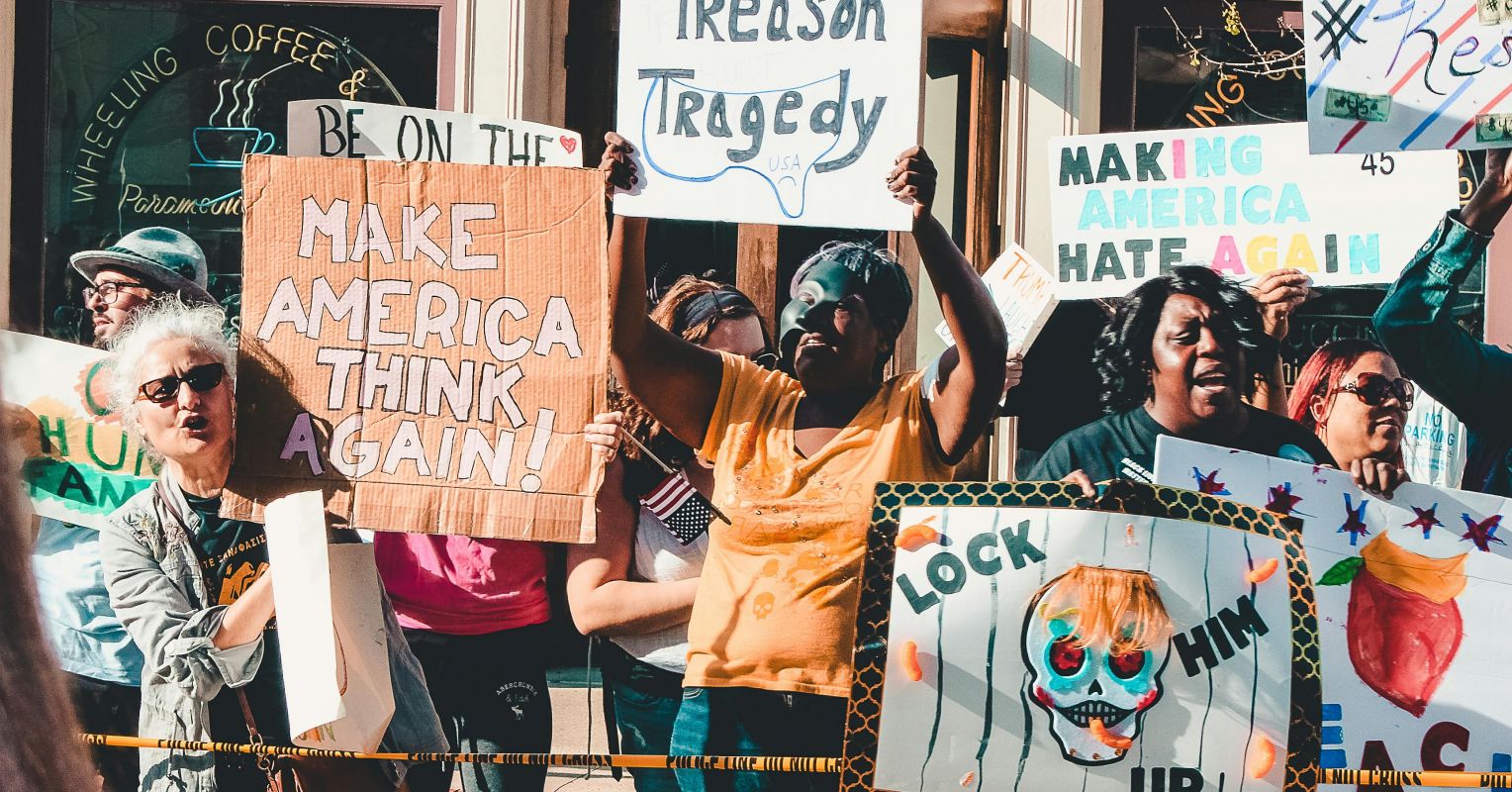
Clearly, the U.S. (and the world) is going through a process of increased political polarization between conservative-leaning and liberal-leaning citizens. As the Trump administration implements a strong conservative agenda, such as violent immigration crackdowns, cheered on by his supporters, liberal voters take to the streets to angrily protest. An important question concerns the potentially harmful effects of all of this political energy, on both sides, on the mental health and well-being of all concerned.
Prior research on this topic has focused on the increased negative emotions associated with strong, politically induced emotions. Experiencing anger and anxiety caused by engagement with politics and political actions has been associated with depression and diminished well-being. More recent, longitudinal research (Walker, et al., 2026) suggests that both the negative and positive emotions that accompany political actions, and our engagement with them, lead to emotional instability that may be the actual cause of politically induced anxiety and depression.
Strong alignment with a particular political stance is not a downward spiral toward decreased well-being. Instead, it is more like an emotional rollercoaster: the elation of “our side” taking political actions we support, accompanied over time by anger and resentment toward our political “enemies” and…