


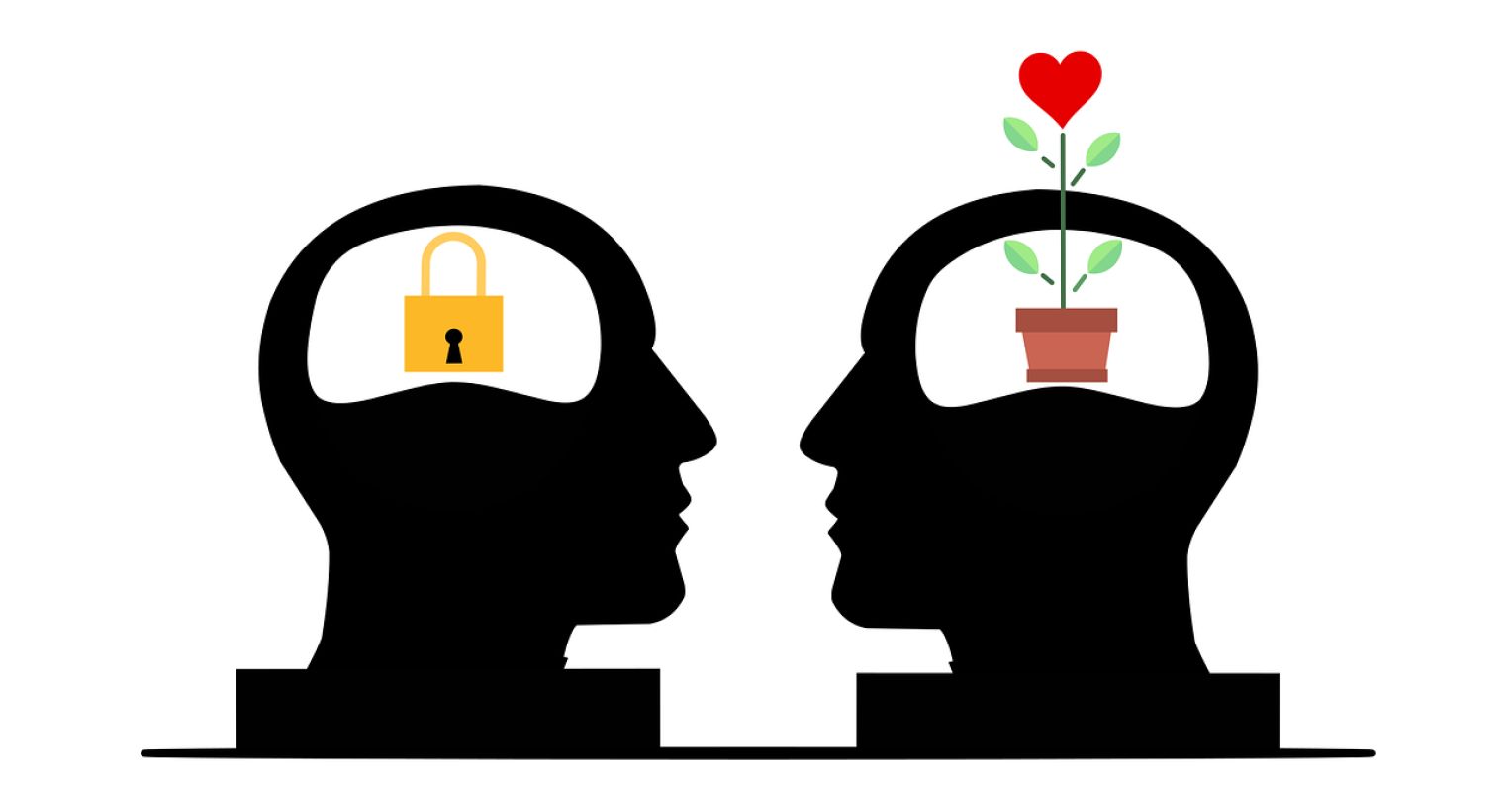
When you think of a person who fits the definition of psychopath, you undoubtedly imagine someone who, in addition to lacking remorse, is incapable of ordinary human empathy. This assumption is so baked into the psychology literature, not to mention the popular imagination, that it’s rarely questioned. Yet, what does the evidence say?
Perhaps you’ve observed someone in your own life, in the media, or in fictional accounts who is characterized as a psychopath. This person is either involved in the legal system or has a documented (or fictitious) history of behaving in ways that cause harm to others without any concern for the consequences. It seems as though nothing else other than low empathy could make such behavior possible. However, a new study could add some nuances to these simple explanations.
Challenges to Low Empathy in Psychopaths
According to University of Toronto Mississauga’s Rasumus Larsen and colleagues (2025), maybe psychopaths have empathy after all. Studies have shown that people in the justice system with high scores on the Psychopathy Check List-Revised (PCL-R) may be amenable to rehabilitation and, what’s more, are not necessarily high in dangerousness. They may even, claim Larsen et al., perform in ways comparable to nonpsychopaths in moral reasoning tasks.
Given some of the questions in the literature, along with the time and expense required for conducting the PCL-R (which requires an interview), there is debate among forensic experts about whether this tried-and-true instrument is worth it. Furthermore, as Larsen et al. point out, the PCL-R can be misused if it is weighted too heavily in judicial decisions. There needs to be, the authors note, “unique evidence-based utility for decision-makers with negligible risk of bias.” The purpose of the UT-Mississauga study was to determine whether that evidence exists.
What Do the Data Say?
From an initial sample of 464 articles in which the PCL-R was used along with measures of empathy, Larsen and collaborators pulled together a set of 66, representing 5,711 participants and 1,672 possible effects. Here is a sample of some of the measures that made it to the final cut:
- Basic empathy (self-report): I find it hard to know when my friends are frightened.
- Index of empathy for children and adolescents (self-rated): Seeing a girl who is crying makes me feel like crying.
- Empathy quotient (self-rated): I get upset if I see people crying on the news programs.
- Theory of mind test: (interview-rated): Explain to the interviewer why someone in a scenario-based situation acts in a certain way.
- Interpersonal reactivity index (self-report): I really get involved with the feelings of characters in a novel.
- Empathy for pain test (self-report): Rate unpleasantness of an aversive scenario in which a person, for example, is subjected to painfully loud noises.
- Multifaceted empathy test (self-report): Identify emotions shown in pictures of people in various situations.
- Reading the mind in the eyes test: Identify emotions as shown in photos of people’s eyes.
- Cognitive and affective empathy questionnaire (self-report): I can pick up quickly if someone says one thing but means another.
- Emotional intelligence test (task-based tool): Recognize and interpret how people are feeling.
- Metacognition assessment scale (interview): Interviewer engages in conversation, probing ability to think about the mental state of others.
- Emotion recognition: Six tests involving recognition of emotions from facial expressions, vocal affect, and narration of an emotional situation involving a protagonist (e.g., a sad situation).
As you can see, these comprehensive measures explore virtually all possible angles not only of empathy but also of the ability to identify how others are feeling. Most are self-report, but enough are interviewer- or task-based to allow assessments to occur with minimal distortion by the participants. Perhaps you tried answering the self-report questions yourself—how did you score? How do you think a psychopath would score?
As it turned out, there is nothing special about psychopaths when it comes to understanding or feeling empathy with others. The findings overwhelmingly (89 percent) showed the “null” finding of no relationship between PCL-R scores and empathy or emotion recognition. As the authors concluded, “Our findings are largely inconsistent with the widely held belief among researchers and clinicians that PCL psychopathic persons lack empathy.”
So, Do Psychopaths Have Empathy After All?
These surprising findings stand in stark contrast to the way that people imagine that people high in psychopathy go about their daily lives. They also contrast with how experts approach people who seem to meet the criteria for psychopathy on the PCL-R, whose validity this study questions.
Psychopathy Essential Reads
Maybe, just maybe, people with psychopathic qualities could either feel, or be helped to feel, a sense of connection to others. Might there be more to their personality than we realize?
To sum up, it’s good to be wary when you’re dealing with a psychopath. But by attending to some of the qualities studied by Larsen et al., your approach to such an individual can be more informed.